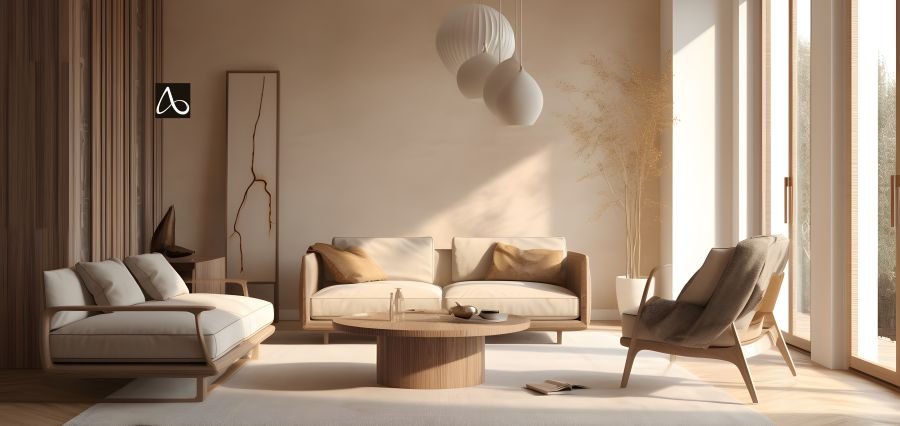
Modern Luxury Evolution
Something subtle but powerful has been happening in the world of interiors. The idea of what it means to have a beautifully designed home has quietly evolved. People are no longer chasing spaces that show off wealth; they are looking for spaces that feel genuinely good to live in. Comfort has moved to the centre of every conversation, and that shift is reshaping everything from the materials we choose to the way a room is laid out.
Luxury interior design, in its most current form, is less about adding more and more about choosing better. It is the kind of thinking that asks: Does this piece of furniture feel right when you sit in it? Does this room make you breathe a little easier when you walk in? Those questions are driving the most exciting interiors being created today.
Nature as a Design Foundation
One of the most visible changes in high-end homes is the deep pull toward natural materials. Stone, untreated wood, linen, and clay, these textures are appearing everywhere, and not by accident. There is a growing awareness that the materials around us affect how we feel, and natural ones tend to bring a sense of calm that synthetic finishes simply cannot match.
Walls are being finished in limewash and plaster rather than paint. Floors are left with their grain and imperfections visible. Even furniture is being made with an honesty about what it is, solid, real, tactile. This is not a rustic look; it is a refined one. The warmth of a beautiful piece of raw timber in an otherwise clean, pared-back room is one of the most striking things happening in interiors right now. The most beautiful rooms today say everything by doing very little.
Luxury Interior Design Around Wellbeing
The home has taken on a new role. It is no longer just a place to sleep and eat; it is where people recover, recharge, and reconnect. As a result, the most thoughtful interiors are being designed with wellbeing at their heart. Rooms are planned around light, air, and how the body feels moving through them.
Dedicated spaces for rest and reflection are now considered just as important as a well-equipped kitchen. Bathrooms are being designed as retreats, with deep soaking tubs, soft lighting, and materials that feel warm underfoot. Bedrooms are stripped back so that nothing distracts from rest. This focus on how a space makes you feel, rather than how it looks in a photograph, is one of the most meaningful evolutions in luxury interior design today.
The Art of Restraint
More and more, the homes that leave the strongest impression are the ones that hold back. There is enormous skill in knowing what to leave out, in understanding that a beautifully proportioned empty corner can be just as powerful as a carefully curated shelf. This kind of restraint requires confidence, and it is becoming a hallmark of genuinely refined interiors.
Colour choices have followed this thinking. Deep, earthy palettes, the tones of dried clay, forest shade, and warm sand, are replacing brighter schemes. These colours recede in the best possible way, making the furniture, the light, and the people in the room the focal point. When done well, a room that uses very few colours can feel extraordinarily rich.
Seamless Integration of Technology
Technology has found its place in the modern home, but the very best interiors are those where it is invisible. Speakers hidden in ceilings, lighting systems controlled by a single quiet gesture, heating that responds before you realise you are cold, these are the innovations that genuinely serve life without disrupting the atmosphere of a room.
The goal is always that the technology feels like part of the house, not something added to it. When a home achieves this, everyday life becomes noticeably smoother and more comfortable, without a single screen or device interrupting the calm of a well-considered space.
In Summary
The evolution of how we design our most personal spaces reflects something broader happening in the way people choose to live. There is a turning away from anything that feels performative and a real hunger for spaces that are honest, comfortable, and built to last. The best rooms feel like they have always been there, settled, unhurried, deeply considered.
True luxury interior design has always been about quality, but quality has changed its meaning. Today, it means a home that holds you gently, that works without effort, and that only gets better with time. The evolution is well underway, and it is one of the most genuinely interesting moments in the history of how we make our homes.