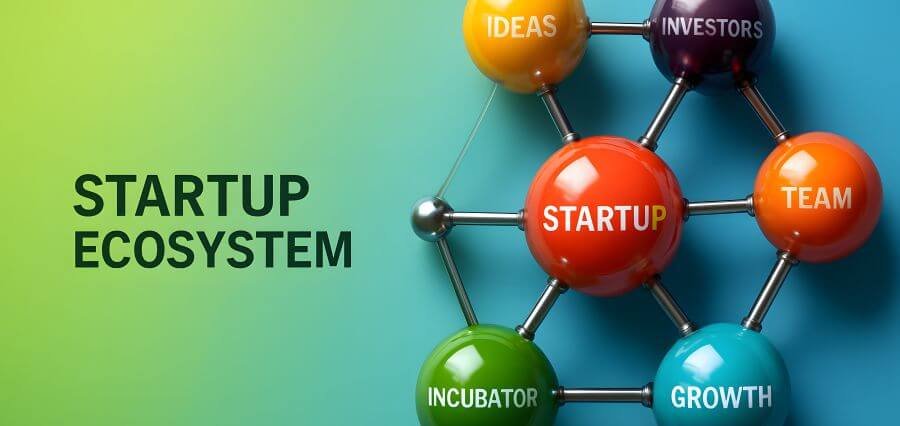
The idea of a startup world isn’t just some overused term you hear in boardrooms or when people are trying to get money for their companies. It’s a real, breathing place where ideas come to life. They get tested, they might fail, they get reworked, and sometimes they turn into businesses that change the world. Basically, it’s a network of people who start businesses, the people who put money into them, advisors, schools, government rules, new technology, and the general way people think, all working together to help new businesses get off the ground and grow. When this world is doing well, new ideas come easily. When it’s not strong, even the best ideas can have a hard time surviving.
Understanding the basics of a startup world.
Every strong startup world starts with people. The people who start businesses are at the center, but they don’t do it alone. They have partners, the first people they hire, advisors, people who invest their own money, groups that invest in startups, places that help startups get started, schools, and even the companies that are trying to beat them. Each one helps shape how ideas go from just a thought to a real company. A person who starts a business with a great idea needs people who can make it happen, money to keep growing, and advice to avoid messing up.
The way people think is another important thing that you can’t see but makes a big difference. In places where it’s okay to take risks and failing isn’t seen as a bad thing, more people are willing to try new things. This creates a circle of learning, where people who failed come back knowing more, help others, or try again with a better idea. Over time, this shared way of thinking builds confidence and helps everyone in the startup world bounce back from problems.
The role of money, rules, and the things you need.
A startup world can’t do well without money, but money isn’t the only thing that matters. Getting money early on helps ideas get started, while getting more money later helps startups grow, go into new markets, and compete with bigger companies. What’s really important is having investors who not only give money but also have experience, know the right people, and are thinking about the long term.
The government regulations and setups of a country have a substantial impact on the business environment. If the registration process for companies is hassle-free, tax rates are not so steep, it is simple to get patents for your inventions, and doing business is generally trouble-free, then the whole situation becomes very much more comfortable for the entrepreneurs. The government implicitly considers the entrepreneurship process positive by funding new inventions, sponsoring startup programs, or collaborating with companies. Furthermore, the presence of facilities like dependable internet, co-working spaces, research hubs, and global market access makes the startups not just survive but also think big.
The cooperation, the advice, and the information sharing.
It is often overlooked in the startup world, however, that the most important factor is collaboration. The sharing of knowledge, the problems faced by the founders, and the opinions of the participants are all beneficial to everyone involved. Mixing ideas can be achieved through meetings, events where the startups present their projects, founder groups, and industry events. Sometimes even a brief talk may lead to a partnership, a change of direction, or even a revolutionary concept.
Taking the advice of those who have gone through the same journey is like using a shortcut to the right action. People who have been in the startup process and the industry experts can support the new entrepreneurs in avoiding the typical pitfalls, improving their businesses, and making the right decisions when there is uncertainty. This is the kind of knowledge that makes the startup ecosystem vibrant. The present-day startups will eventually become tomorrow’s consultants, thus maintaining a cycle of growth and learning.
Problems and what’s ahead.
Even though it has a lot of potential, every startup world faces problems. It can be hard to get money, talented people might leave for bigger places, and government rules can slow things down. The ups and downs of the market and changes in the world economy also test how well startups can bounce back. But these problems often make founders work even harder to build strong, lasting businesses.
The future of the startup world is about being inclusive and able to change. As technology makes it easier to get started, startup worlds are growing outside of the usual big cities and into smaller towns and different communities. Working remotely, online programs, and working with people all over the world are changing what it means to build a startup. Startup worlds that welcome different ideas, backgrounds, and places will be in a better position to come up with new ideas and compete around the world.
In the end, a startup world isn’t built in a day. It grows through trust, shared success, and learning together. When everything comes together – the people, the money, the way people think, the rules, and the purpose – the startup world becomes more than just the sum of its parts. It becomes a place where ideas take flight and people starting businesses find the courage to fly.