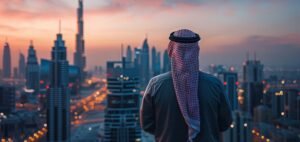
From Achievement to Endurance
Leaving a mark today goes far beyond building wealth or collecting awards. The real measure of influence is the transformation a leader produces in the lives of people, industries, and communities. Across the Middle East, top Arab business icons are quietly rewriting the meaning of success by blending ambition with responsibility. Their narratives are not vertical or valuation-based but on how business can build a more resilient, fair and future-ready society.
Vision Beyond Profit
For many leaders, profit is no longer the final destination, but the fuel that drives a bigger mission. Enterprises are built to address issues that are important, whether it is the development of a city or access to digital and creation of employment. These companies work in areas like real estate, finance, technology, hospitality, and manufacturing, and they often help drive national growth.
What sets these leaders apart is how closely they align business with purpose. By investing in education, infrastructure, and innovation, top Arab business icons turn companies into long-term contributors to regional development. They focus on future generations, making sure success is saved for tomorrow, not just used today.
Balancing Tradition and Modernization
Many influential enterprises in the region are family-founded, carrying legacies that span decades. The challenge has been to modernize without losing cultural identity. Leaders manage this by holding on to core values such as integrity, trust, and community, while also using digital tools, renewable energy and global partnerships.
Through investments in startups, automation, and green technology, these groups stay competitive in a fast-changing world. Their ability to evolve while remaining rooted shows how top Arab business icons reinforce the tradition by allowing it to develop, instead of in time.
Driving Economic Diversification
Economic transformation defines much of the region’s recent progress. A shift in thinking to knowledge-based growth and leaving resource-based income has required bold ideas and patient investment. Leaders have funded industrial parks, smart cities, tech hubs, and education clusters that create ecosystems rather than isolated projects.
These efforts generate employment, encourage entrepreneurship, and build sectors that did not exist a generation ago. Top Arab business icons reshape local economies, helping countries rely less on one source of income and compete better globally.
Pioneering Sustainability and Responsibility
Environmental responsibility has become a business priority rather than a side initiative. From green buildings and clean energy to water management and ethical sourcing, sustainability is now built into operational strategies.
This shift is not limited to nature alone. Training programs, community investments, and youth employment projects form the social pillar of responsibility. Business leaders increasingly view philanthropy as partnership, designing initiatives that empower people to stand on their own feet.
Fostering Innovation and Entrepreneurship
Innovation does not thrive in isolation. It needs capital, mentorship, and room to experiment. Many leaders now run incubators, venture funds, and accelerators to help startups in fintech, health tech, e-commerce, and digital media.
By opening doors to young founders and backing new ideas, top Arab business icons create bridges between imagination and execution. Their willingness to take calculated risks develops the culture that considers failure as learning and not as defeat.
Building Global Bridges
Modern influence is rarely local. Strategic alliances across Europe, Asia, and Africa allow regional enterprises to scale beyond borders. Hospitality brands, retail groups, and manufacturing firms now carry Arab expertise into international markets.
Cultural exchange plays a role too, with leaders supporting art, forums, and trade missions. These networks build trust and position the region as a collaborative and innovative partner on the world stage.
Investing in Human Capital
Behind every successful organisation is a skilled workforce. Leaders invest heavily in scholarships, leadership academies, and localisation programs that prepare young people for responsibility. Fair wages, inclusive policies, and clear career paths are becoming standard.
Such investments pay off in loyalty, lower unemployment, and stronger institutions. By prioritising people over processes, these leaders ensure growth is sustainable rather than short-lived.
Navigating Challenges with Resilience
Markets rise and fall, but strong leadership endures. During downturns, leaders use diversification, careful spending, and clear communication as key tools. Leaders keep their main operations safe while exploring new opportunities, often coming out stronger than before.
Their resilience is built on governance, community trust, and flexible strategy, proving that crisis can refine rather than ruin a legacy.
Philanthropy as Strategic Impact
The generosity in the area is usually structured into foundations and endowments. Hospitals, schools, and relief programs are funded with a long-term vision, tackling root issues rather than offering temporary fixes.
Families continue these missions, combining business knowledge with social responsibility to make sure their wealth benefits society.
Final Reflection
Redefining what it means to leave a mark is about building systems that last longer than any individual. By developing intentionally to grow, being inventive, and caring about people and the environment, the business leaders leave a legacy that continues to thrive in a more robust economy and a secure society. Their stories remind us that the truest mark is not carved in stone, but written in lives changed.