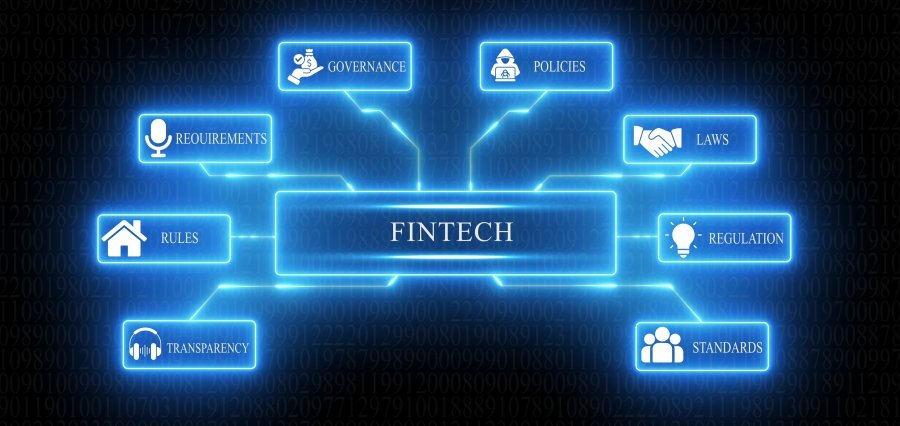
A shift swept through finance during the last ten years, driven mainly by fintech. Instant transactions plus smooth international exchanges show how money moves today. Phone applications now handle what only banks and paper cash managed before. These tools reshape storage, transfer, and spending habits bit by bit. Still, faster progress brings louder demands for smart rules around digital finance. Oversight bodies face pressure balancing fresh ideas against risks to safety, public confidence, maybe even system strength. Finding that middle ground remains tricky across nations.
The Rise of Fintech Digital Wallets in Everyday Finance
Starting off as basic apps for holding cash online, fintech wallets grew bit by bit. Quick taps replaced physical cards, then extra functions slipped in – paying bills came next. Moving funds between people became effortless through these platforms too. Some began offering small investments, others handed out microloans quietly. Even coverage plans showed up inside them eventually. Speed pulls users in, ease keeps them there. Places missing old-school banks found these tools filling gaps fast. Limited systems elsewhere made switching feel natural.
With just a phone and internet, many people now join the digital economy – those once shut out by traditional banks. Thanks to mobile tools, small shops get paid quicker, rely less on physical cash. Meanwhile, shoppers move smoothly between web stores and brick-and-mortar counters. Even so, rapid rise brings attention: authorities watch closely as these apps manage huge sums and private details.
Fintech Regulation Now a Global Focus
Growing fast, fintech firms now face tighter rules meant to handle new dangers. Not built like old banks, these startups often run on lean systems and fresh strategies – leaving holes in oversight when ignored. Privacy slips, digital attacks, dirty money flows, scams, weak safeguards for users – all of it pushes officials to draw firmer lines. Governments react slowly, yet move they do, shaping structure where little existed before.
Fair rules in finance tech help old-school banks compete fairly against new digital services. When online money tools grow bank-like without being held accountable, trouble can spread through the system if left unchecked. Licensing checks now get more attention because safety matters just as much as innovation does. Making sure these platforms hold enough backup cash keeps users protected during tough times. Rules around behavior and reporting tighten slowly as watchdogs adapt to fast-moving changes in how people store value digitally.
Trust matters when it comes to rules. Digital wallets need people who believe they’re safe; one big hack might shake faith everywhere. When regulators step in with clear safeguards, users feel more secure about where their funds and details go. That sense of safety helps the financial tech world keep moving forward over time.
Regulatory Hurdles Amid Fast Changing Digital Landscape
Speed matters most when rules chase tech advances – progress outstrips policy, leaving gaps. Instead of waiting, systems must adapt mid-step because dangers shift before warnings arrive. Cross-border wallets ignore boundaries, so one nation’s guardrails mean little where another’s begin. Rules clash where laws diverge, creating spaces no single authority fully controls.
One hurdle? Too much oversight. When rules become too tight, creativity slows down, expenses rise, plus small firms think twice before jumping in. Some watchdogs now lean toward middle ground – setting up trial zones where fintech ventures check ideas safely. These spaces let officials see how new tech behaves even as builders try things out without breaking norms.
Ownership of personal information sparks worry too. These tech-driven wallets gather loads of details about users – details that help tailor features yet stir debates on right versus wrong. As these tools start doing more than just handling money, rules about where data lives, how it’s shared, and who agrees to what matter more every day.
The Future of Fintech Regulation and Digital Wallets
Down the road, rules around fintech might shift toward teamwork and flexibility. Instead of working apart, agencies, startups, and banks start talking more – finding ways to grow new ideas without shaking up the system. Since apps and payment tools cross borders easily, countries may need to sync their approaches just as often.
One step ahead might mean weaving money tools into daily life more tightly. When handling cash moves through these apps by default, rules around them grow stricter too. Staying clear about how things work can set some apart – trust matters when everyone claims to be fast and smart. Smooth steps today could mean stronger ground tomorrow.
Truth be told, rules around fintech and digital wallets aren’t at odds – they fit together like puzzle pieces. Confidence grows when oversight is clear, while confidence pulls more people into using these tools. Side by side, progress and guardrails create space for change: money moves easier, people gain control, access spreads – all without sacrificing safety or long-term stability.Bottom of Form